Simple Daily Habits That Support Overall Wellness
Key Takeaways
Daily wellness habits are small, repeatable actions—like hydration, movement, and mindfulness—that compound over weeks and months to produce lasting results.
A simple daily wellness routine can support physical health, mental clarity, and emotional balance without requiring drastic lifestyle overhauls.
Practical examples include a 10-minute stretching routine, a structured sleep routine, and basic mindfulness habits woven into an ordinary workday.
Start with 1–2 new healthy daily habits, track them for at least 31 days, and layer on more as they feel natural and low-effort.
This article focuses on easy wellness routines that fit into busy schedules—concrete, actionable, and designed for real life.
Wellness Interviews
♾️
Wellness Interviews ♾️



Why Daily Wellness Habits Matter

Many people feel overwhelmed by extreme health trends—intensive workout programs, restrictive diets, and complicated biohacking protocols. What often gets overlooked is the power of simple daily wellness habits that actually drive long-term well being without requiring a complete life overhaul.
Daily wellness habits are small, repeatable behaviors—like consistent sleep, staying hydrated, and light movement—that support both body and mind. Research shows these wellness lifestyle habits often have more impact when practiced consistently than occasional intense efforts or “all-or-nothing” approaches. A study published in the European Journal of Social Psychology found it takes approximately 66 days of consistent effort to transform a new behavior into an automatic habit.
More people are choosing simple wellness habits to manage stress, support energy, and maintain balance alongside work and family life. The good news is you don’t need hours of free time or expensive equipment to start. This article outlines an easy daily wellness routine, from morning to evening, that you can adapt to your own schedule and responsibilities.
The Importance of Daily Wellness Habits

Wellness lifestyle habits create structure in your day, helping you feel more grounded and in control. When you build healthy habits into your routine, you reduce decision fatigue—the mental exhaustion that comes from making dozens of small choices every day. This frees up cognitive function for higher-priority tasks.
Daily habits for well-being connect physical health (heart, muscles, immune system) with mental clarity (focus, mood, stress management). The relationship is not separate; your physical and mental health are deeply intertwined. Regular physical activity, adequate sleep, and stress management techniques work together to support your overall health.
Holistic wellness habits include:
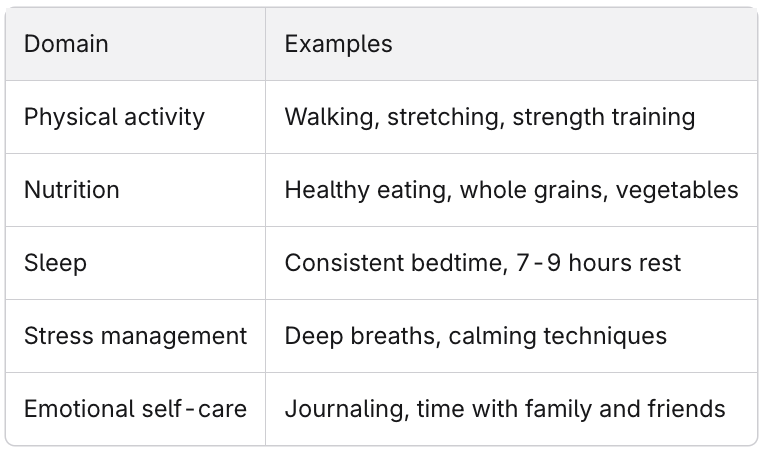
Consider a concrete example: a person who takes a walk 20–30 minutes most days of the week and gets enough sleep (7–8 hours) tends to have more stable energy across a full month. Research published in the Journal of the American College of Cardiology and other leading health organizations shows that engaging in about 150 minutes of moderate exercise per week—roughly 30 minutes per day—can significantly reduce the risk of cardiovascular disease, with many studies estimating reductions in the range of 20–30%.

Small, repeated actions—like drinking water with each meal or doing a 5-minute body scan—add up to noticeable changes over several weeks. This compounding effect is what makes daily wellness habits so powerful for better health.
Starting the Day with a Healthy Morning Routine

A healthy morning routine sets the tone for the rest of your day, especially for energy, mood, and focus. Neuroscientific research demonstrates that deliberate morning practices help synchronize your body’s internal clock, which governs multiple physiological processes critical to health.
To build a consistent daily wellness routine, choose a wake-up time you can maintain at least five days a week. This regularity supports your circadian rhythm more effectively than variable wake times, even if your total sleep hours remain the same.
Simple morning practices to consider:
Drink a full glass of plain water within 10 minutes of waking to jumpstart metabolic function
Do a 5–10 minute stretching routine to wake up your body and counteract sleep stiffness
Add light movement such as a brisk walk, easy yoga flow, or a few push ups
Jot down three priorities or practice gratitude in a notebook to anchor your attention

A healthy morning routine does not need to be long. Even a 15–20 minute sequence qualifies as simple wellness habits that set up the rest of your day. The goal is to start small and stay consistent rather than create an elaborate new routine you can’t sustain.
Practicing Mindfulness and Self-Care Throughout the Day

Mindfulness habits are moments of intentional awareness—paying attention to your breathing, surroundings, or thoughts without judgment. These practices help you reduce stress and stay focused during a busy workday.
Concrete micro-practices you can try:
60-second breathing breaks between meetings (take three deep breaths)
Mindful handwashing—focus your full attention on the sensations
Three slow breaths before opening email or starting a new task
A brief body scan while waiting for your computer to load
Self care habits during workdays might include taking a real lunch break away from screen time, stepping outside for a few minutes of daylight, or gently stretching your shoulders and neck. Spending time outdoors, even briefly, can support your mental well being and help reset your focus.
These mindfulness habits help regulate stress responses and improve cognitive function when practiced multiple times across a typical weekday. The key is to tie new habits to existing ones. For example:
Practice mindful breathing before your commute
Take three deep breaths before every meeting
Do a brief stretch after every coffee break
This “habit stacking” approach makes new habits easier to remember and repeat, reducing reliance on willpower alone.
Supporting Physical Wellness with Movement and Hydration

Healthy daily habits for the body do not require long workouts or gym memberships. Consistent light activity and good hydration habits can make a significant difference in your overall well being and energy levels throughout the week.
Hydration habits in concrete terms:
Sip water regularly throughout the day
Keep a refillable water bottle at your desk
Drink plenty of water with each main meal
Pair water with existing habits (drink with every coffee or tea)
Staying hydrated supports cognitive function, energy levels, and even helps with maintaining a healthy weight. The National Institute of Health confirms that proper hydration is essential for nearly every bodily function.

Simple movement ideas:
Take a 10-minute walk mid-morning or mid-afternoon
Use the stairs instead of the elevator once or twice a day
Do a brief stretching routine while watching TV
Try a 5-minute full-body stretch focusing on hips, hamstrings, chest, and shoulders
These movement breaks counteract the effects of prolonged sitting and support your physical health without requiring a dedicated exercise block. The American Heart Association recommends regular physical activity as one of the most effective ways to maintain a healthy lifestyle and reduce risk of chronic disease.
Pairing movement and hydration—like walking while carrying a water bottle and drinking afterward—reinforces healthy daily habits with minimal extra planning. You save time by combining habits rather than treating them as separate tasks.
Creating an Evening Routine That Supports Rest

A predictable evening and sleep routine is one of the most powerful daily habits for well-being. Sleep quality affects your immune system strength, mental health, mood, and even your ability to stay motivated the next day.
To build an effective sleep routine:
Choose a target bedtime that allows for 7–9 hours of sleep
Create a 20–30 minute wind-down period before that time
Keep your schedule consistent, even on weekends when possible
Concrete evening ideas:
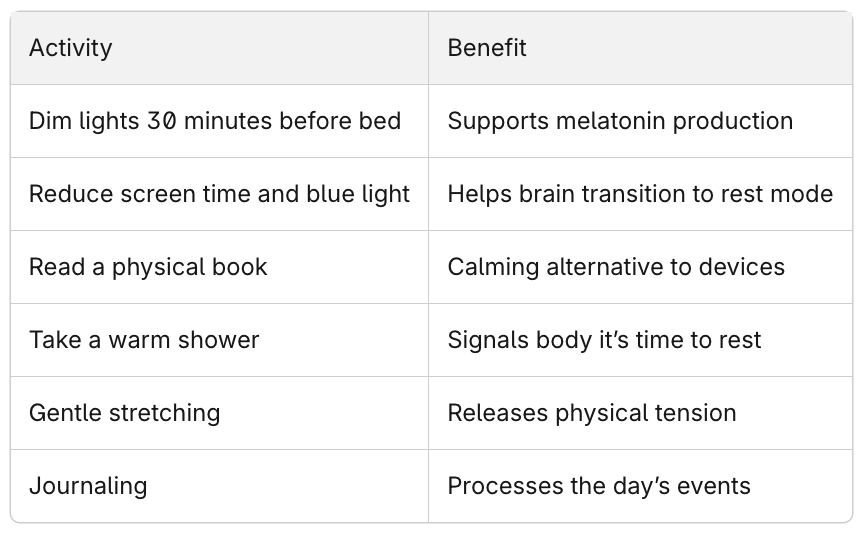
Writing down three wins from your day and one thing to improve for tomorrow can help quiet a busy mind. Some people find that spending time with loved ones or calling a family member helps them feel connected and calm before sleep.

A consistent sleep routine helps regulate hormones, mood, and energy, reinforcing other holistic wellness habits practiced earlier in the day. When you get enough sleep, you have more energy to exercise, eat well, and manage stress—creating a positive cycle that supports your entire wellness journey.
Conclusion: Building a Sustainable Wellness Lifestyle

Simple wellness habits practiced daily are more effective for long-term health than short bursts of extreme change. The research is clear: consistency creates compounding effects that occasional intense efforts cannot match.
Core daily wellness habits to remember:
A calm morning routine with hydration and light movement
Mindfulness breaks and self care habits throughout the day
Steady hydration and regular physical activity
An intentional sleep routine with consistent timing
Start with one habit this week—perhaps drinking more water or adding a brief stretching routine—and track it for at least 31 days. This gives your brain time to move the behavior toward automaticity, making it feel natural rather than forced.
Daily wellness habits can be adapted to different seasons of life, work demands, and energy levels. When your schedule changes, adjust your habits rather than abandoning them. A shorter walk still counts. A 5-minute wind-down is better than none.
Build healthy habits one at a time, stay focused on progress rather than perfection, and trust that small actions add up. Consistency, not perfection, is what builds a balanced wellness lifestyle over time. Your success comes from showing up regularly, not from never missing a day.
Frequently Asked Questions (FAQ)

How many new daily wellness habits should I start with at once?
Start with one or two small daily wellness habits rather than trying to change everything at once. For example, commit to a hydration goal and a 5-minute movement break. Focusing on a limited number of new habits for at least 3–4 weeks usually makes them easier to maintain long term. Add more healthy daily habits only after the first ones feel automatic and low-effort—this prevents overwhelm and increases your chances of lasting habits.
What if I miss a day in my wellness routine?
Missing a day—or even several days—does not erase your progress. This is a normal part of building daily habits for well-being. Use a simple reset strategy: notice what got in the way, adjust if needed, and resume the habit at the next natural opportunity (like the next morning or next meal). Long-term consistency matters far more than never skipping a day, and perfection is not required for results.

How long does it take for daily wellness habits to feel natural?
Research often cites ranges from about 18 to 254 days for habits to feel automatic, with 66 days being a commonly referenced average. This variation depends on the person and the complexity of the behavior. Commit to at least 31 days of practicing a specific habit before judging whether it’s “working.” Some habits, like simple mindfulness practices, may feel beneficial quickly but still need time to become a seamless part of your daily routine.
Can I still benefit from wellness habits if I have a very busy schedule?
Absolutely. Daily wellness habits can be effective even when they are short—a 3-minute stretching break or brief breathing exercises between tasks still count. Integrate habits into existing routines: drink water with every coffee, do light stretches while waiting for food to cook, or take a walk during a phone call. The key is choosing realistic actions that fit into your current responsibilities rather than trying to add hour-long routines to an already full day.
Do I need special equipment or apps to build a daily wellness routine?
Most simple wellness habits—walking, stretching, breathing exercises, consistent bedtimes—require no special tools or equipment. Basic aids like a reusable water bottle, a notebook for journaling, or a simple timer on your phone can help with reminders and tracking if you find them useful. Treat apps and devices as optional supports, not requirements. Don’t let the lack of equipment become a barrier to starting your new hobby of taking care of yourself.